
557 North Mill St. Originally the home of William & Keziah Starkweather. Starkweather was one of Plymouth’s first pioneers. His first home was built near the corner of Main St & Ann Arbor Trail. This Home was built circa 1835.
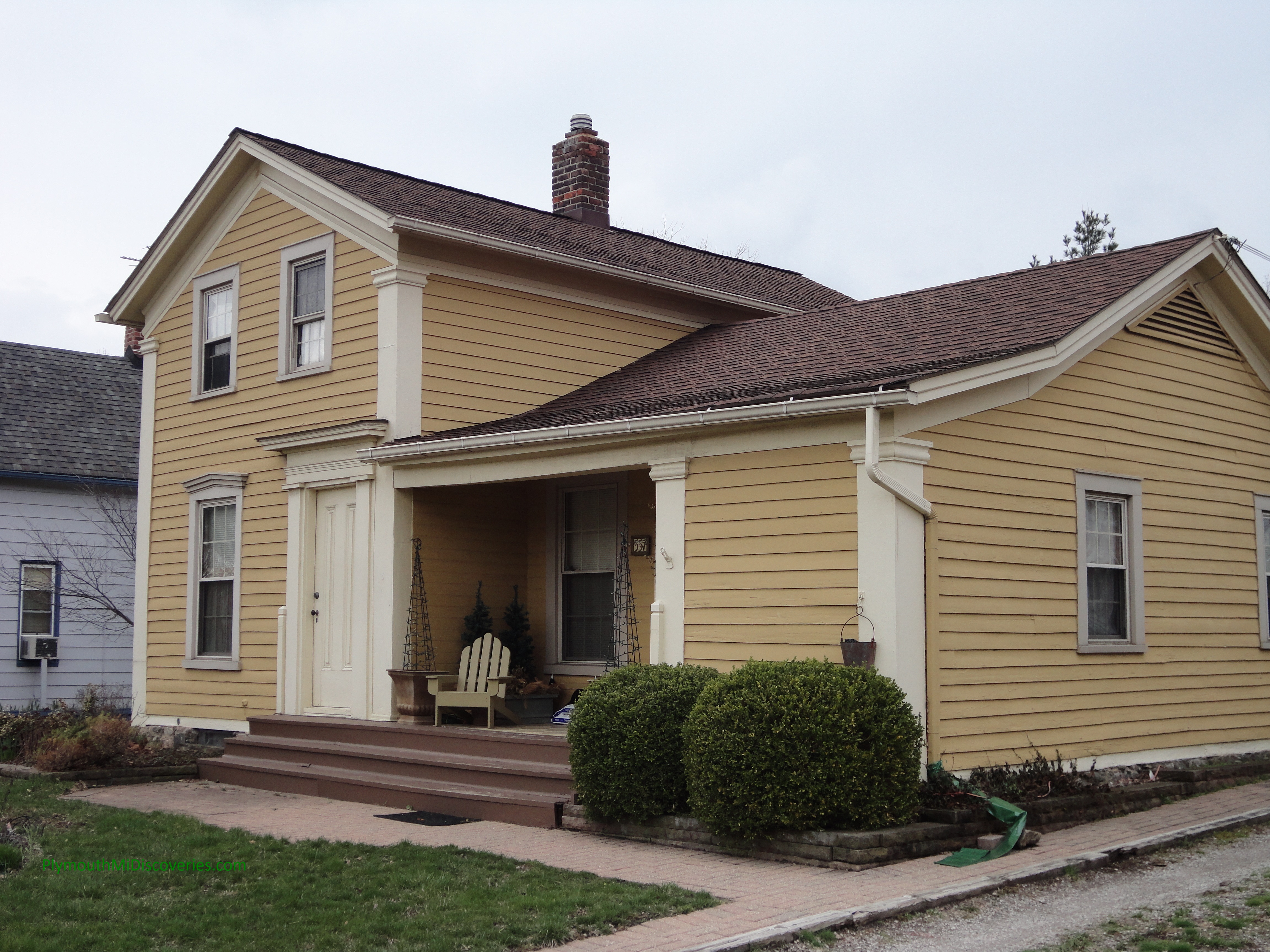
557 North Mill St. Originally the home of William & Keziah Starkweather. Starkweather was one of Plymouth’s first pioneers. His first home was built near the corner of Main St & Ann Arbor Trail. This Home was built circa 1835.
186-192 N. Main Street. Built 1905 in the Queen Anne style called Shingle. This double house was owned by Charles Bennett (President: Daisy Air Rifle Co.) but was actually home to his Father Lewis on one side and his Brother Fred on the other side. This home is now used for commercial purposes.

Corner of 5 Mile & Ridge Road. Built in 1920. This is one of the most visible landmarks that stands at the North West edge of Plymouth. It’s nickname is “DeHoCo” which stands for the Detroit House of Corrections. This was actually part of a working prison farm. A wood structure once adorned the front of these silos. This was used until 1931 when the prison was built down the street.
UPDATE: As of Friday, August 30th, 2019 this structure has been demolished and is no longer standing.
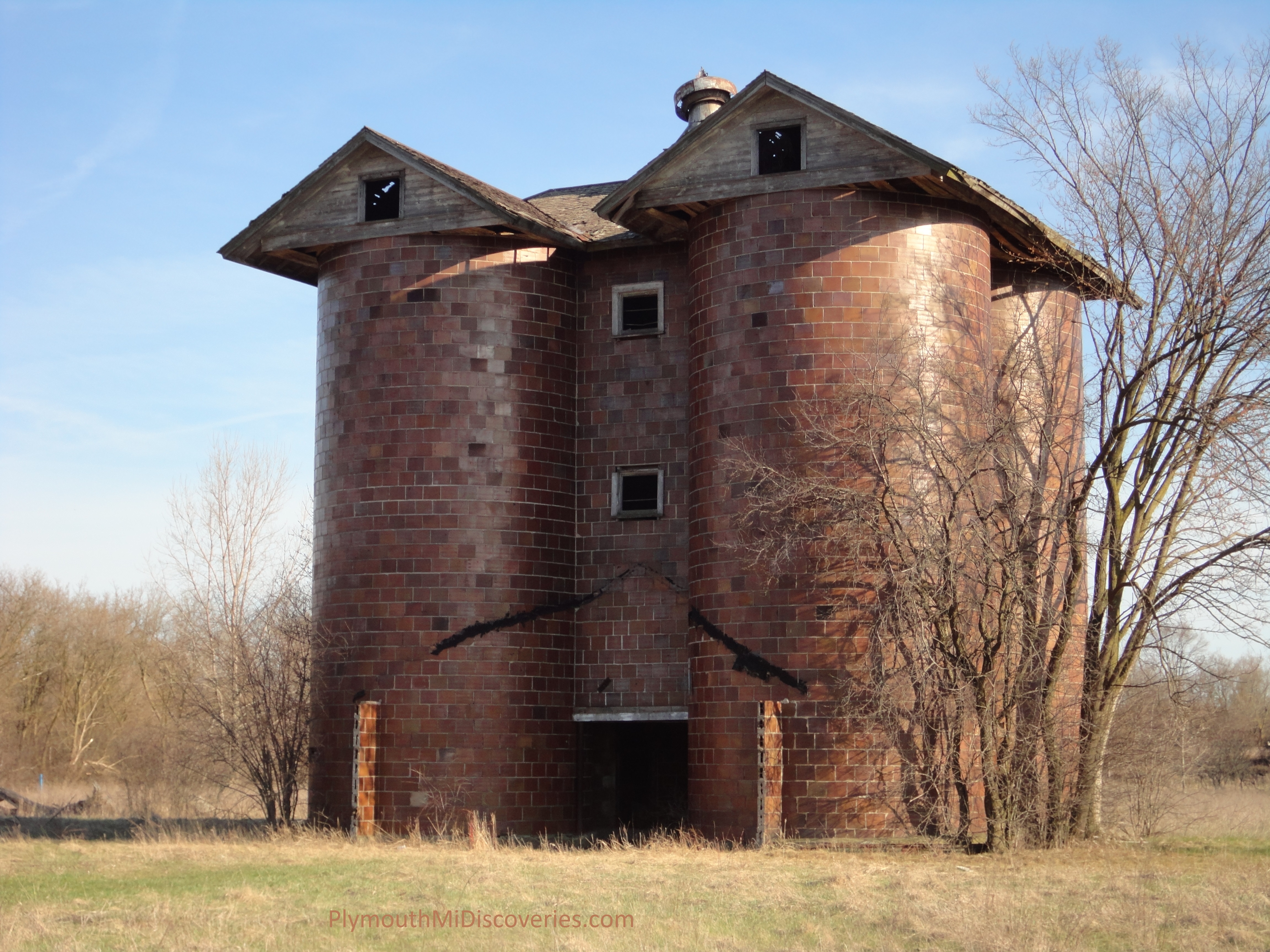
291 Spring Street. Built circa 1840 by the Presbyterians and was originally located at the corner of Mill & Liberty Streets. In 1847 the church was purchased by the Baptists who then sold it to the German Lutheran Church who had it moved to its current location and then built the home next door as the parsonage. The old clapboards are hidden below the more modern siding but it still has wonderful stained glass windows.Today this Church is now the Church of Christ West.
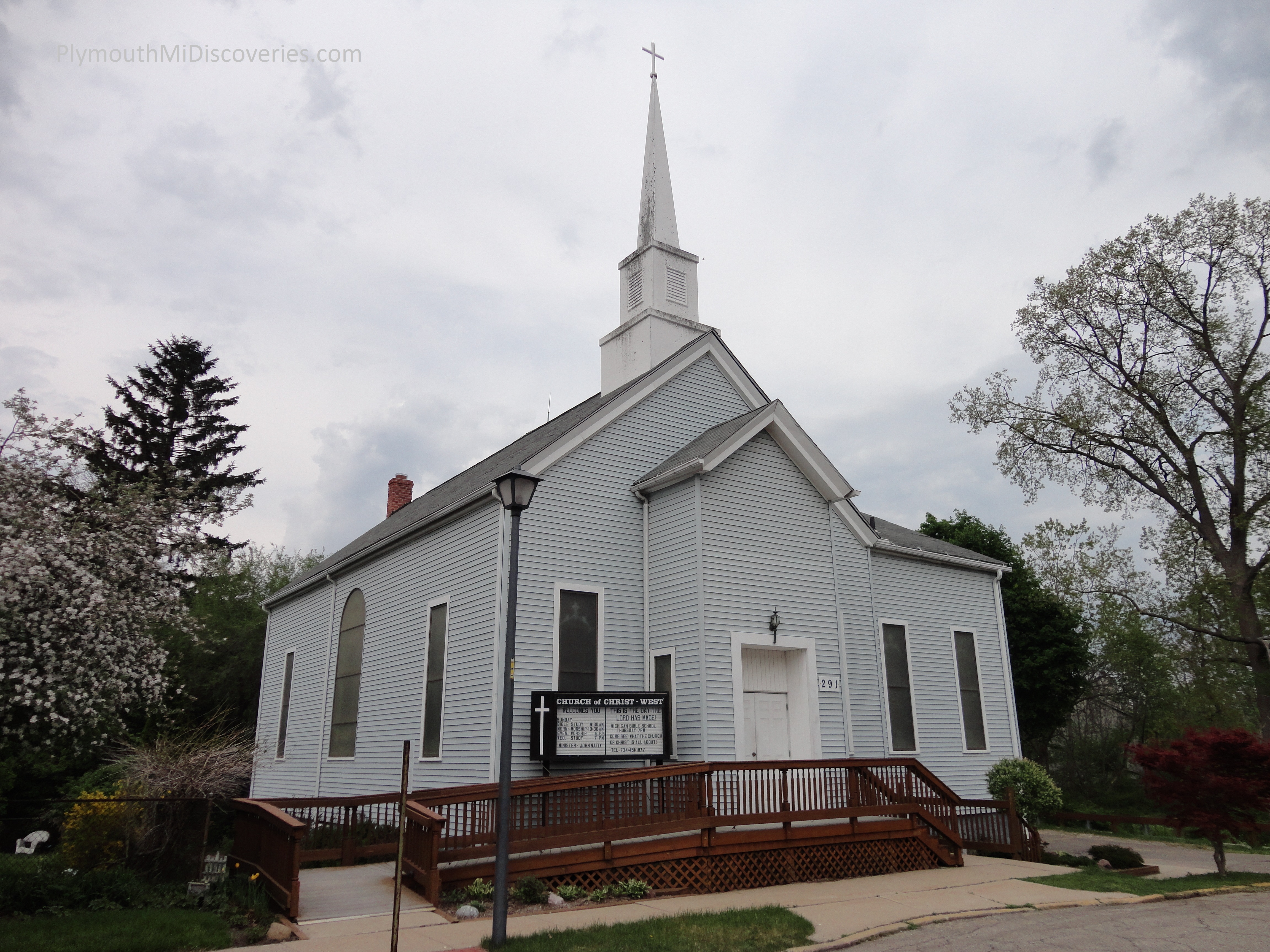

173 S. Union St. Built in 1886. This is the old Presbyterian Parsonage. Today it’s now used for apartments.


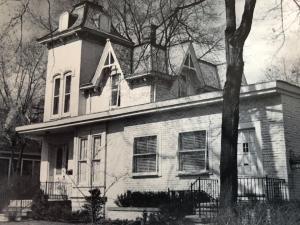
884 Penniman Ave. Built in the mid 1890’s. Once the home of John Gale who used to own a drug store on the corner of Main & Penniman. This former residence is now home to the Plymouth Coffee Bean, a great place to enjoy a cup of Joe. http://www.plymouthcoffeebean.com/
Below is a historic photo of the home prior to the current modifications:
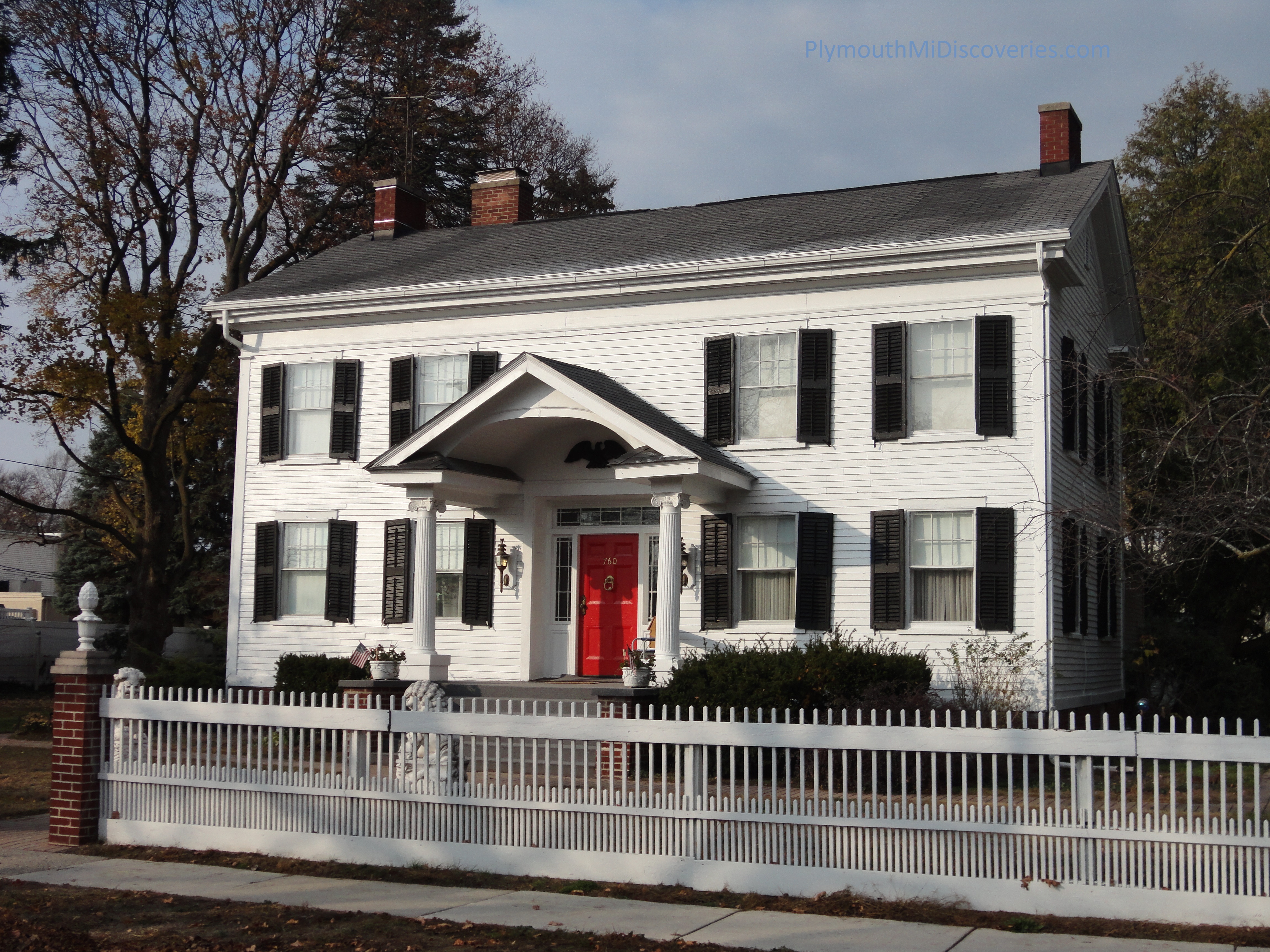
760 Burroughs Street. Originally the home of Bethuel Noyes, it was built circa 1850 and was originally located at 705 South Main St. Mr Noyes was the 1st President of the Village of Plymouth. This home was relocated & renovated by the Bake family some time around 1927.
Below is a photo of a 1928 post card with this home:


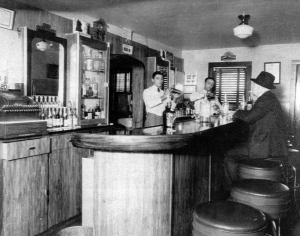
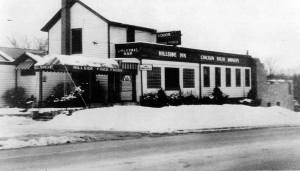
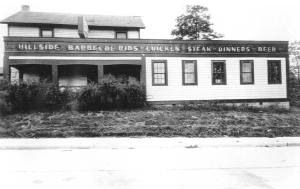
41661 Plymouth Rd. Part of this structure (Main Entrance) was originally a homestead built circa 1889 which was made into a restaurant in 1934 and was added on to through the years. It first started out as the Hillside Barbecue, then Hillside Inn for years before becoming Ernesto’s in the 80’s. It is currently the Courthouse Grill and still features Chef Ernesto’s Italian dishes. This Plymouth landmark holds many great memories for thousands of people in and around Plymouth and has been enjoyed by generations.
Below are some historic photos that were shared by the descendants of the original owners/proprietors of the Hillside Inn.
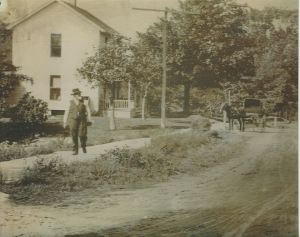
41661 Plymouth Rd circa 1900
499 S. Main St. Built in 1925 was originally built as the Tonquish Lodge #32 of the Independent Order of Odd Fellows and then later served as the Meeting house for the Mayflower Hotel. This fine establishment is now the Meeting House Grand Ballroom and is an elegant choice for Weddings and banquets. It’s located just steps from Kellogg Park http://www.meetinghousegrandballroom.com/hosts.html

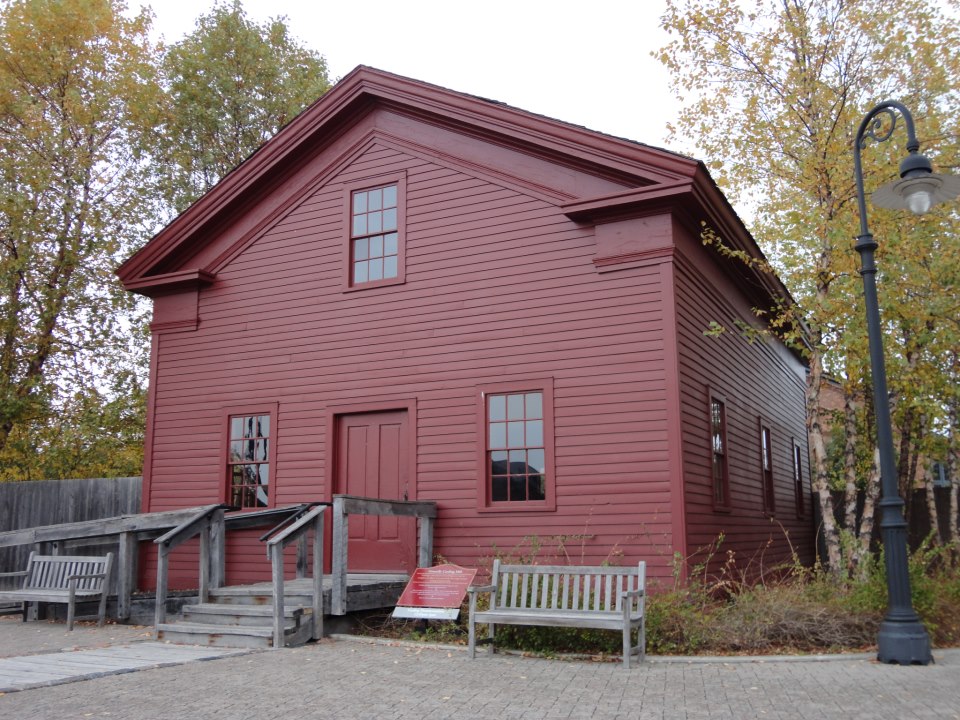
Built in 1850 or 51 by John Gunsolly. The Plymouth Gunsolly Mill once sat riverside along Hines Drive South of Wilcox Road. Henry Ford would visit this carding mill with his Dad. In 1929 Mr Ford had the mill moved to Greenfield Village. There is now a comfort station in the same spot where the Mill once stood in the Gunsolly Recreation area in Hines Park. http://gfv1929.blogspot.com/2008/08/plymouth-carding-mill-aka-gunsolly.html
921 Church St. Built in 1841 by Peter Fralick originally as a harness shop, it became a residence sometime within 20 yrs. As a residence, this structure has been in 3 locations! In 1923 when it was located at 968 Penniman it was turned around to its current location on Church St.

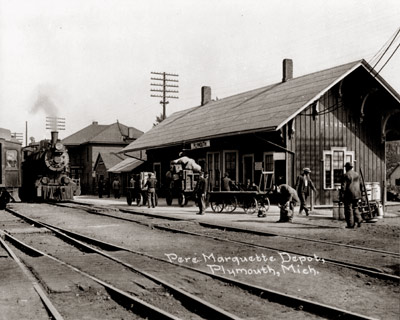
900 Starkweather. Built in 1871. Plymouth’s 1st train depot. This depot was visited by our Country’s 41st President, George H.W. Bush. Today it’s used for commercial purposes as it’s sits along the Railroad tracks watching trains pass by everyday. http://www.michiganrailroads.com/RRHX/Stations/CountyStations/WayneStations/PlymouthMI.htm

187 Adams St. Built in 1834. Known as the “Pumpkin Hill House” a name given by a previous owner (Sandra Richards) that had a birthday of Oct 31 and had also claimed to be a practicing Witch. Yes, we said Witch. The home was in still in its primitive condition until the current owners rescued this home and brought it into the 21st century. This house still has original hand hewed timbers and others signs of its earlier years. Today this house is “hands down” a wonderful example of how a historic home can be saved and made into an excellent modern home. The painstakingly long hours and effort put into this home will keep it a wonderful part of our community for many years to come. Today this home is also occupied by a black cat named “Pumpkin”. (See Below)

Below is an old photograph taken circa 1982 before it was remodeled.


Old house photo and picture of Pumpkin courtesy of Patricia Malcolm.
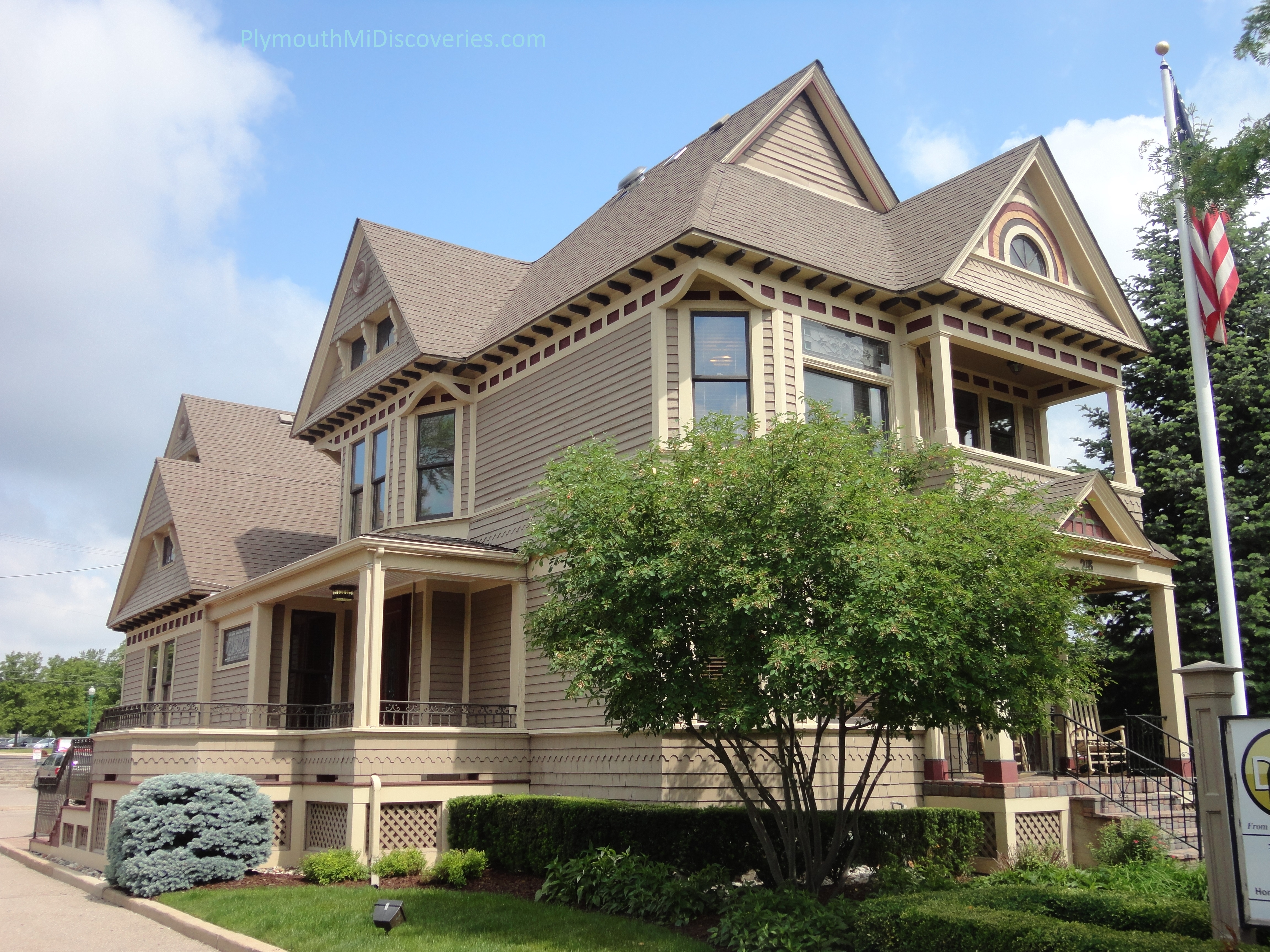
218 S. Main. Built 1893. Originally the home of Thomas Patterson, It also served as the Plymouth Hospital from 1932 – 1966. It’s now used for commercial purposes.

1160 Penniman. Built circa 1840 was originally the home of Senator Ebenezer J. Penniman, he was the first Plymouth citizen elected to the U.S. Congress. Penniman was in business as a dry-goods merchant here in Plymouth, and served as the dry-goods merchant supervisor of Plymouth Township. In 1851, he was elected as a Whig to the Thirty-second Congress, serving until 1853.He was a member of the convention that met under the oaks at Jackson, Michigan, July 6, 1854, at the organization of the Republican party in Michigan and was instrumental in getting our first Republican candidate (Abraham Lincoln) voted into office. Penniman also served as president of the First National Bank of Plymouth. Ebenezer passed away in 1890 and was buried in the Riverside cemetery here in Plymouth. After Ebenezer’s passing, this home was deeded to his daughter Katherine (Penniman) Allen who continued to live in this home with husband William Allen. Like her father, Kate also ventured into the business world and was well-known for owning the Penn-Allen Theaters located in Plymouth and Northville. This home now serves as offices for Our Lady of Good Counsel Catholic Church.
Below is an image of Ebenezer Penniman and a link to wikipedia:
http://en.wikipedia.org/wiki/Ebenezer_J._Penniman


711 Starkweather. Built in 1875. This was the home of George Anson Starkweather who was the first settler child born in Plymouth. Starweather was a Plymouth merchant, schoolteacher, lawyer, farmer, greenhouse owner, banker, he served as Plymouth Township supervisor and also as Plymouth Village President, he was a philanthropist, a leading community member and firm believer in education who, during the 1850s, served one term in the Michigan Legislator, representing Plymouth. Mr. Starkweather was also very instrumental in bringing the Rail Roads to Plymouth. Desendence of George Starkweather are still active in Plymouth today.
Below is a photo of George Starkweather Circa 1856:
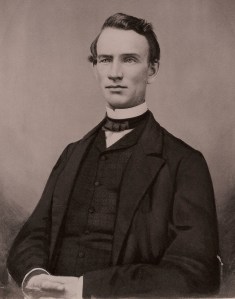
Also check out: http://detroit1701.org/Starkweather%20Residence.html
46255 N. Territorial Rd. The John Tibbits Farmstead built prior to 1827. Plymouth’s 1st town meeting was held in the barn that still sits on the property. John Tibbitts who played a signifcant role in Plymouth’s history was laid to rest in the Shearers Cemetery which is walking distance of this home.http://detroit1701.org/Tibbitts%20Farmstead.html
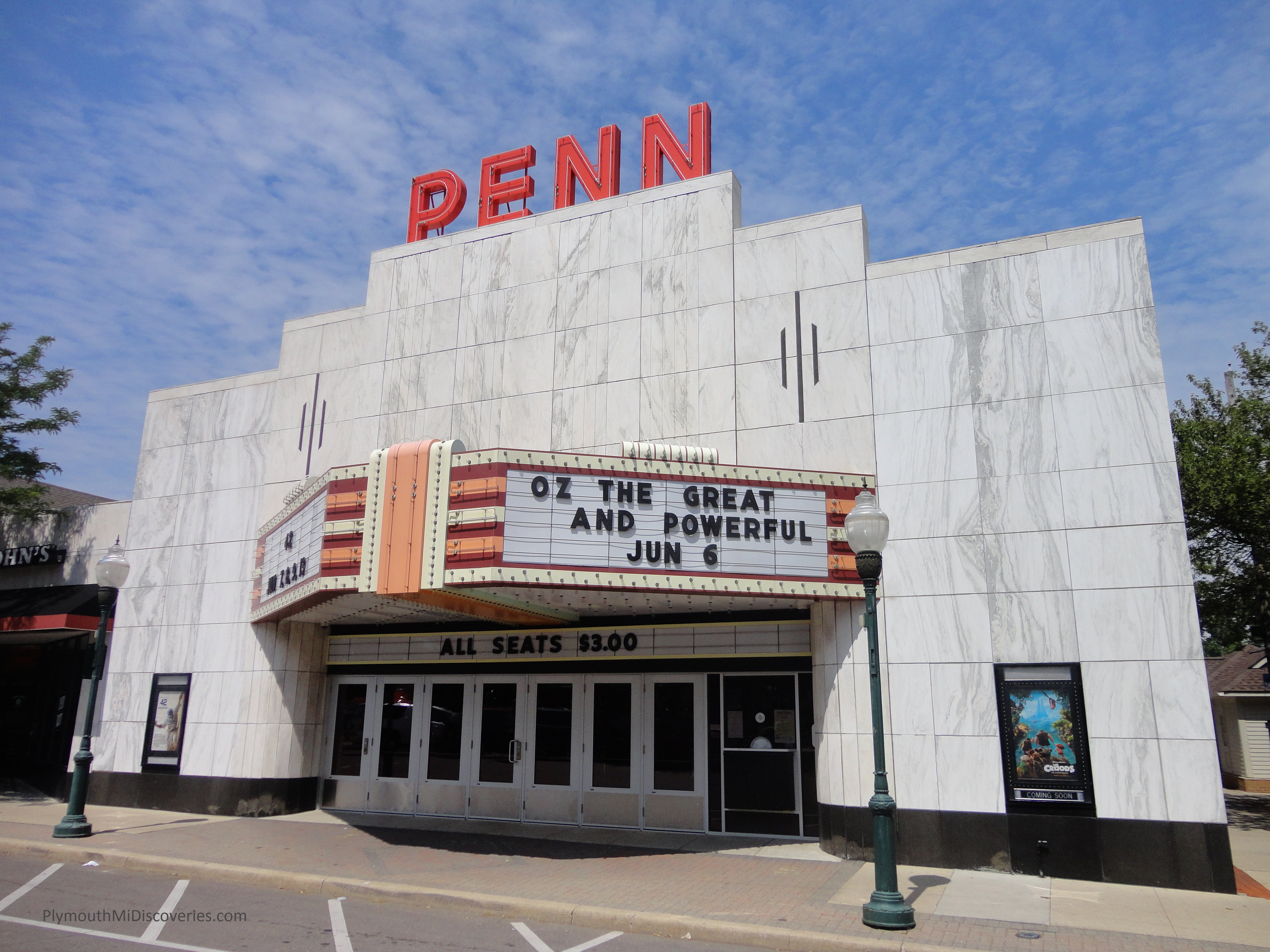
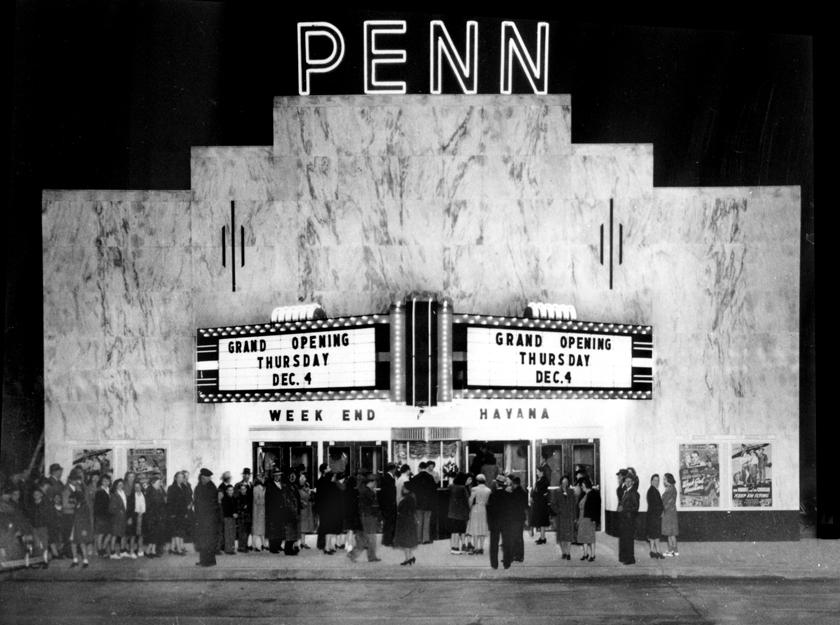
PENN Theatre. Sitting directly across from Kellogg Park at 760 Penniman. Built in 1941, the doors opened 3 days before the attack on Pearl Harbor. This Plymouth landmark is home to thousands of memories for many that live in the area. Watching a movie here is a must. For Showtimes and more history visit:http://www.penntheatre.org/history.html
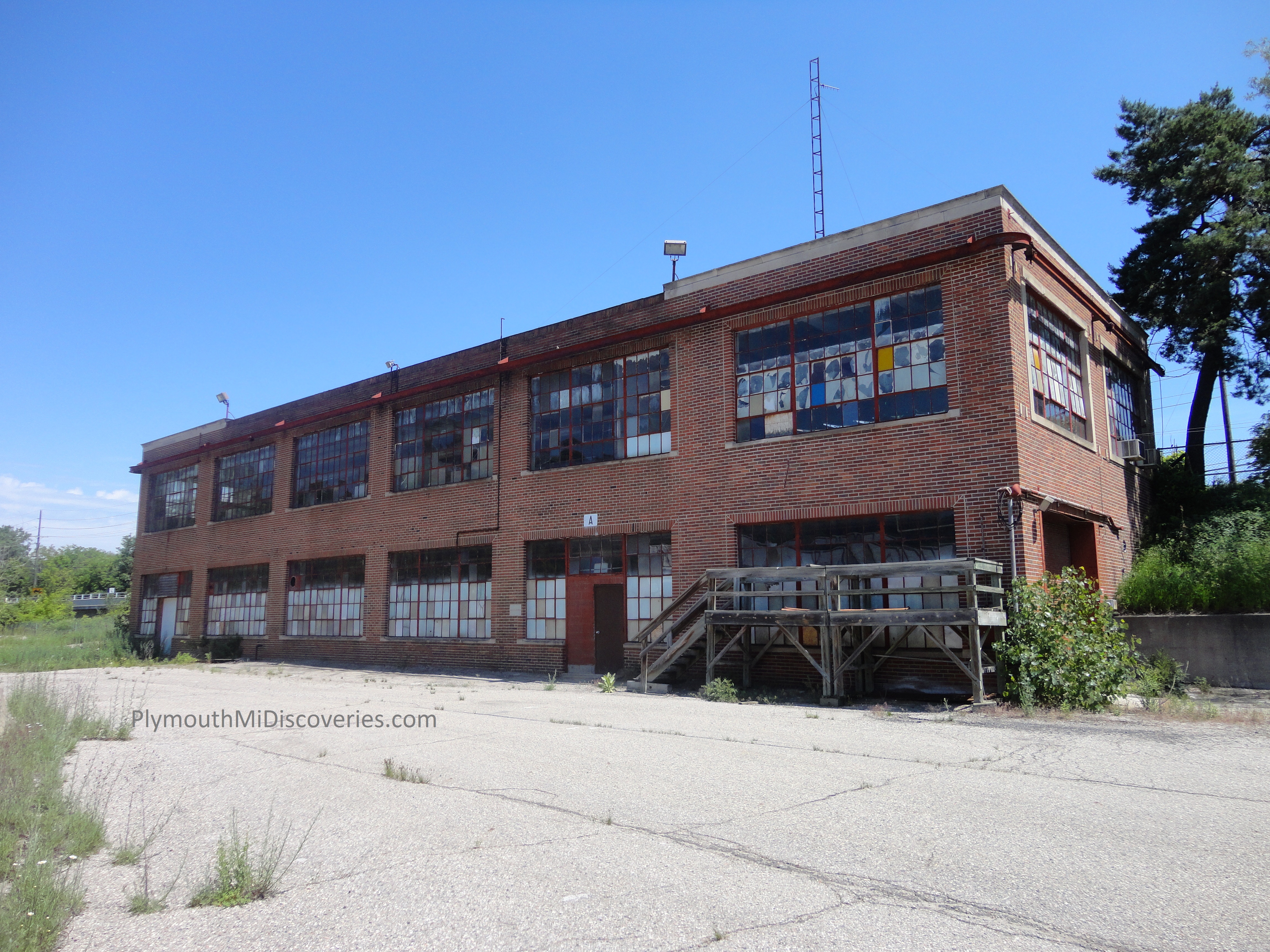
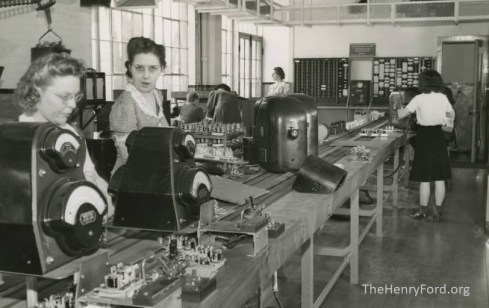
14973 Northville Rd. Built in 1922 by Ford Motor Company is a 2 story structure that was designed by Albert Kahn. This plant was part of Ford Motor Company’s Village Industries that Henry Ford started in 1918. This structure originally had a hydro-powered generator that provided electricity for the factory and was driven by a part of the lower Rouge River. At one time this factory had only women workers (with the exception of the Plant Manager). This was the first known factory in the United States to pay women the same wage as men. This factory once made resistors and switches that supplied the Auto Giant. At one time it was proposed to have this location become a Women’s labor Museum but the idea never evolved due to a lack of funding. Ford donated this plant to Wayne County and was used for many years as a storage site for Wayne County Parks. The following link has more information about this building: http://en.wikipedia.org/wiki/Phoenix_Mill
Below is a photo of the Phoenix Mill Plant from Northville Road and a photo of the back side of the building taken from Hines Drive.

Below is a historic view of the current structure (left) and a historic photo of the original Phoenix Mill (right) which once stood on this same spot. The original Mill burned down.


Below is a photo of women at work inside the factory. Image from TheHenryFord.org
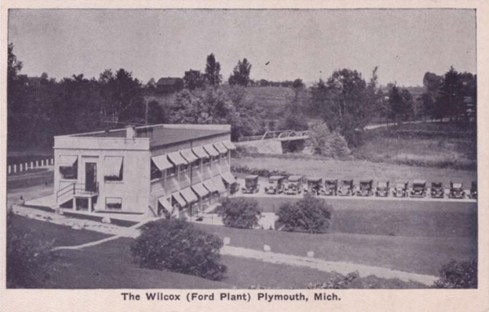
 Hines Drive & Wilcox Rd. Henry Ford had this structure built in 1920. At one time this was the site of the Plymouth Flour Mill which eventually became Wilcox Mill. This property is now owned by Wayne County and is used for storage.
A view of the factory from the 1920s:
Learn more at: http://www.detroit1701.org/Plymouth%20Mill.html
 PlymouthMiDiscoveries
Recent Comments